7 Skills AI Can't Replace (Yet): How to Stay Irreplaceable in 2026
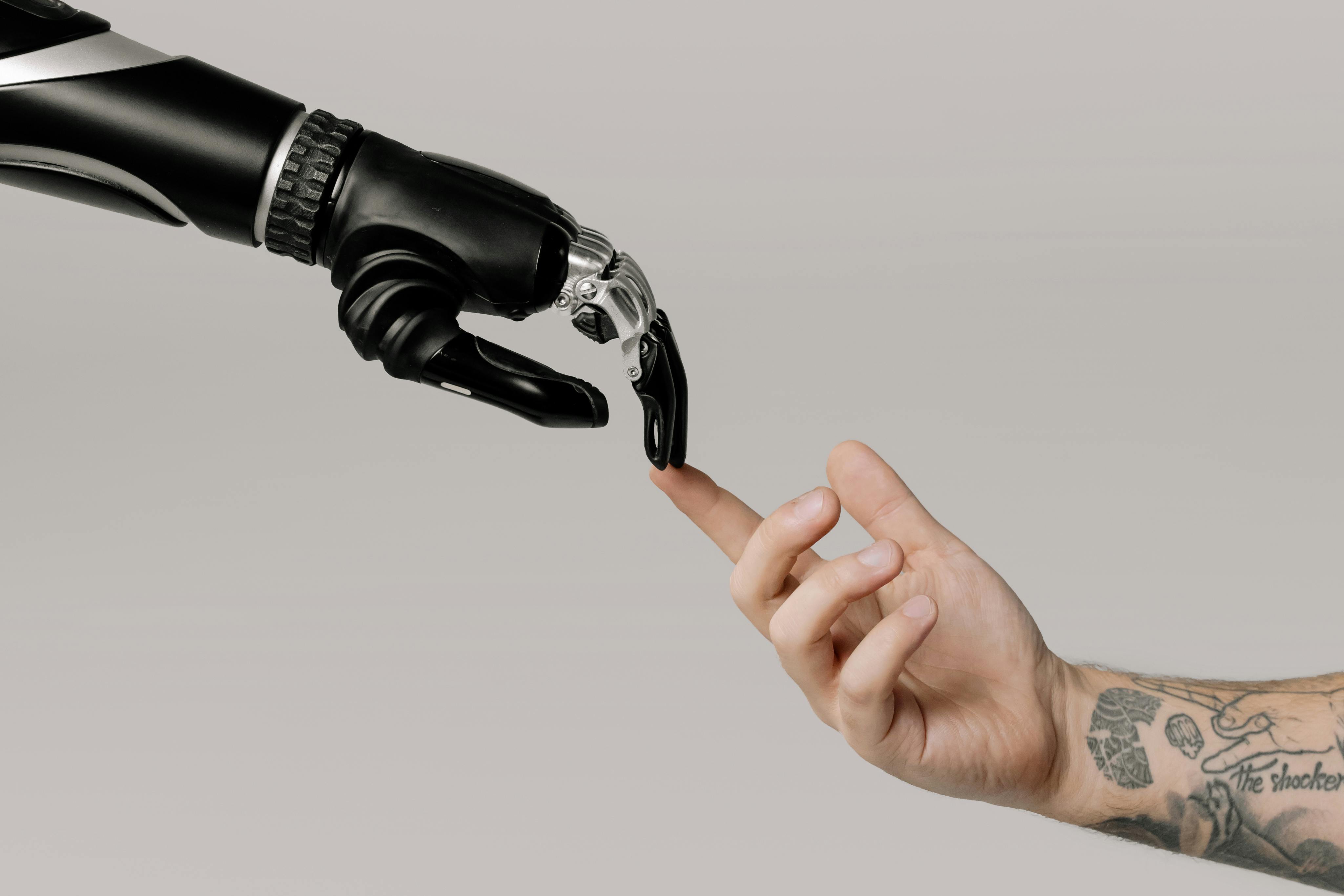
The AI revolution is transforming workplaces at unprecedented speed. McKinsey reports that demand for AI fluency jumped nearly sevenfold in just two years through mid-2025. Yet, as artificial intelligence takes over repetitive and analytical tasks, distinctly human capabilities rooted in intention, judgment, and moral responsibility become increasingly essential. Here's your guide to the seven skills that will keep you ahead of the curve.
1. Emotional Intelligence
AI can analyze sentiment in text with impressive accuracy, but only humans can feel what's unsaid in a room and respond with genuine care. The ability to understand feelings, resolve tension, and offer human comfort remains irreplaceable.
Your Move:
1- Listen without thinking about what you'll say next
2- Check in with teammates beyond work tasks
2. Creative Problem-Solving
While AI can generate multiple solutions from existing data, humans excel at connecting random dots that shouldn't work but do. Creative vision and cultural taste—creating new ideas, shaping culture, and setting direction—are exclusive human competencies.
Your Move:
1- Flip problems upside down: Ask "What if success looked different?"
2- Give yourself permission to explore "stupid" ideas first
3. Ethical Judgment
AI follows programmed rules and guidelines, but navigating moral gray zones where right isn't obvious requires human wisdom. Professions requiring ethical reasoning depend on human judgment to interpret subtleties that AI might miss
Your Move:
1- Ask yourself: "Would I want this decision on the front page?"
2- Pick the tougher path when it's the right one
4. Relationship Building
AI can track connections and suggest networking opportunities, but building trust through vulnerability and consistency is purely human territory. Earning credibility through presence and lived experience—what experts call "trust building and relationship capital"—cannot be replicated by machines.
Your Move:
1- Reach out just to say hi, not to ask for favors
2- Connect two people who could help each other grow
5. Strategic Vision
AI predicts patterns from historical data effectively, but seeing the future others miss and betting on it requires human intuition. Strategic improvisation—responding to new situations without scripts—remains a distinctly human advantage.
Your Move:
Block thinking time on your calendar (no fires allowed)
Challenge your own beliefs: "What if I'm wrong about this?"
6. Cultural Intelligence
AI can translate languages and explain customs, but bridging different worlds with respect and curiosity demands genuine human connection. The human-in-the-loop model becomes fundamental because people provide the oversight, interpretation, and context that machines cannot fully replicate.
Your Move:
1- Do your homework on cultural norms before meetings
2- nnvite others to share their view, then actually hear it
7. Adaptive Learning
AI processes information instantly, but transforming experience into wisdom and growing from failure is uniquely human. While AI can enhance human decision-making, the ability to learn from setbacks and apply those lessons creatively sets humans apart.
Your Move:
1- Dedicate 30 minutes daily to learning something fresh
2- Volunteer for projects that scare you a little
The future of work belongs to organizations that combine AI fluency with human capability at scale. Rather than fearing automation's impact on jobs, embrace it as a chance to offload mundane tasks and concentrate on what truly matters: honing your unique abilities to solve problems creatively and drive meaningful innovation.